

Interesting Facts about Niger
28 de junho de 2023
Niger Interesting Facts
Niger, officially the Republic of the Niger, is a country in Africa. Here are some interesting facts about Niger:
- One of the hottest countries in the world is Niger.
- Niger has the largest protected area in Africa.
- In 1890, Niger became a French colony. It remained a French colony until 1958, when it became an autonomous republic of the French Community.
- The 30-foot herbivorous dinosaur lived in the region of Niger around 100 million years ago. A dinosaur named after the country and it is called Nigersaurus.
- Niger gained independence in 1960.
- Niger is home to the tallest mudbrick structure in the world.
- The Niger River is clean, unlike the Nile. This is due to the absence of silt.
- Niger is part of the Great Green Wall of Africa Project.
- Niger has eight languages that are classified as national languages, but the official language is French.
- Niger is home to one of the most famous animal paintings in the world. The petroglyph of the giraffe Dabu is a life-size depiction of two giraffes that are 10,000 years old. The prehistoric art is found in an isolated location in the Sahara, in an area known as the "Tenere Desert".
- Humans have lived in Niger for over 50,000 years.
- Niger known as the “Frying Pan of the World".
- Niger is divided into seven regions with one main district, the capital Niamey.
- Niger is known for its vibrant music scene, which is a fusion of traditional and modern styles. Tenere Music is one of the most popular musical genres in Niger, it is named after the Tenere Desert in northern Niger.
- One of the most famous lively festivals in Niger is the Gerewol Festival, a courtship festival celebrated by Wodaabe nomads.
- Some of the most popular dishes in Niger include millet porridge, stews, and spicy meats and vegetables.
- Markets in Niger are a great place to find unique handicrafts, including jewelry, textiles, and pottery.
- The Niger River is over 4,000 km long and flows through Niger before moving on to other countries such as Mali and Nigeria.
- The majority of Niger's population is Muslim, but there is also a significant Christian minority.
- The national symbols of Niger include the Sahelian cheetah as the national animal, the Hausa horsemen as the national emblem, and the Dallol Bosso Falls as a national monument.
- Niger borders with Nigeria and Benin to the south, Burkina Faso and Mali to the west, Algeria and Libya to the north and Chad to the east.
Source: https://globalconnect.uz/interesting-facts-about-niger
Governo aprova novas regras para heranças indivisas. Saiba quando um herdeiro poderá exigir a venda de uma casa sem acordo dos restantes.

TJUE reforça os direitos das vítimas de fraudes bancárias. Saiba quando os bancos devem devolver o dinheiro, mesmo perante alegações de negligência.

Foi vítima de fraude financeira, online ou com criptoativos? A LEGACIS presta defesa jurídica, queixa-crime, rastreio de ativos e análise forense.
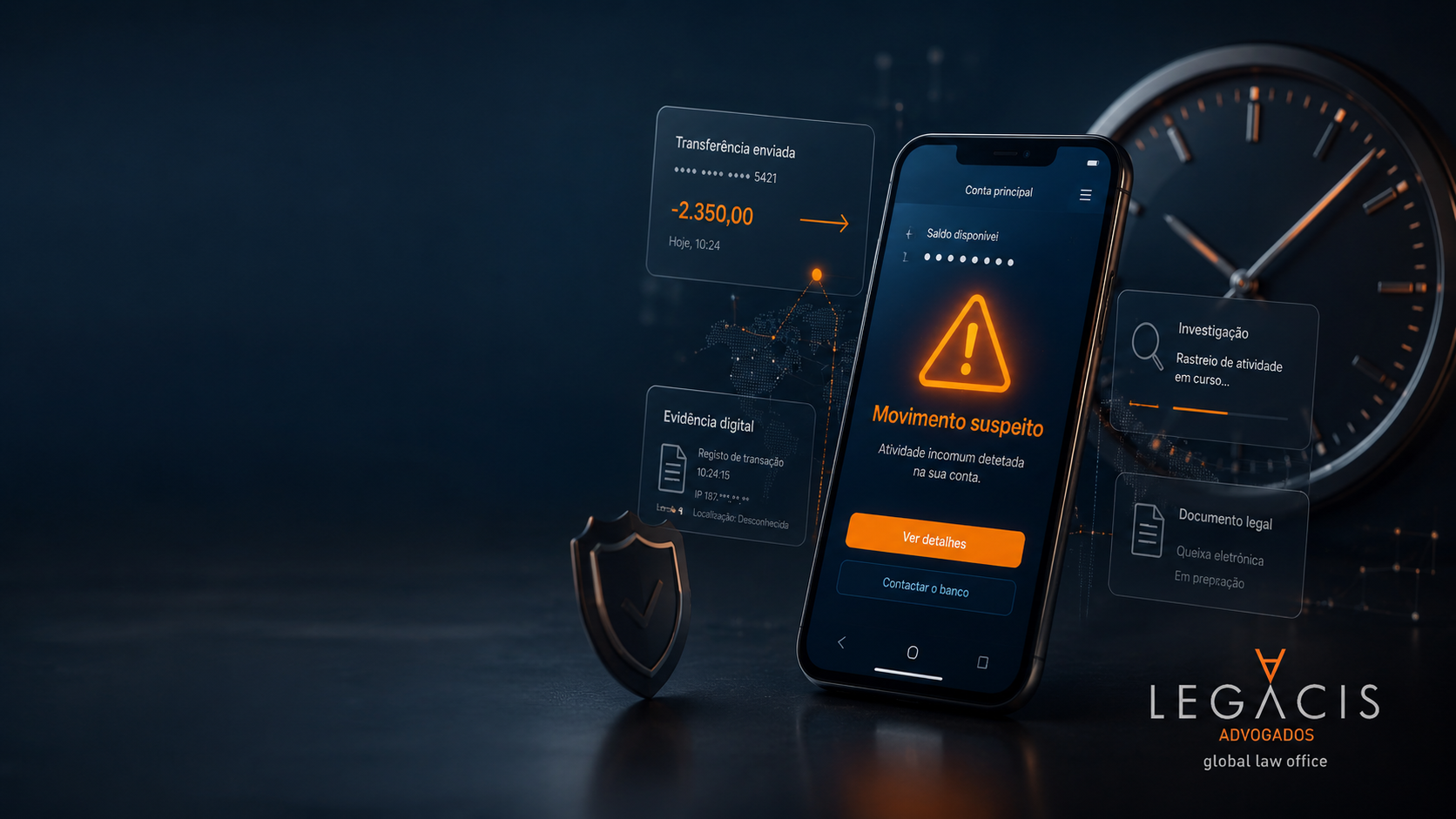
Foi vítima de fraude online? Saiba porque o tempo é decisivo, que prova deve preservar e que passos dar junto do banco, plataformas e autoridades.

Recebeu uma multa rodoviária? A LEGACIS analisa notificações, prazos, prescrição, perda de pontos, inibição de conduzir e defesa jurídica.

Fui vítima de uma falsa plataforma de investimento em Bitcoin ou criptomoedas. Saiba que provas deve preservar, que medidas legais podem ser tomadas e como evitar novos golpes de recuperação.

Burla com MB WAY: conheça os principais riscos jurídicos, os sinais de alerta e o que fazer perante transferências inesperadas ou pedidos de devolução suspeitos.
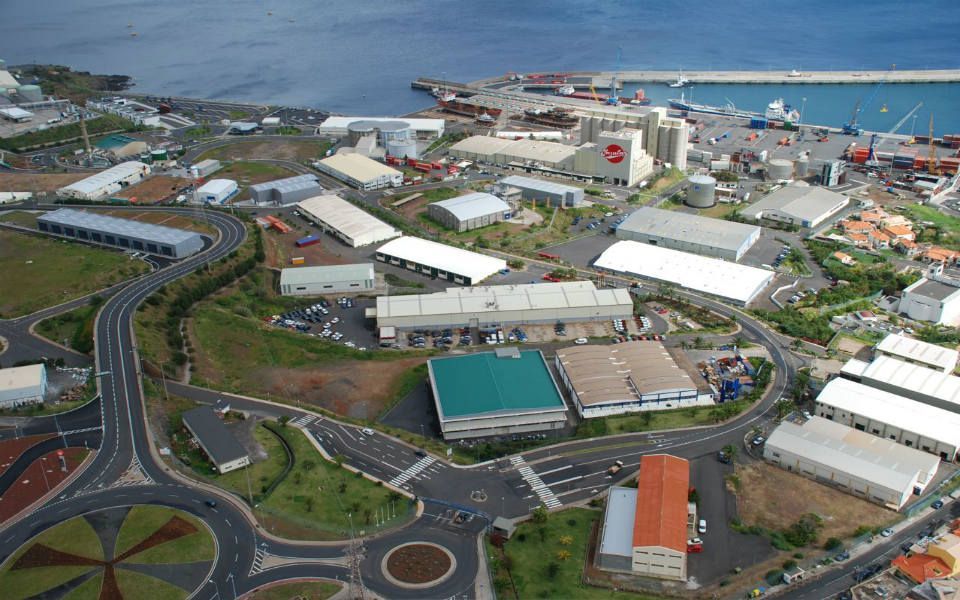
Zona Franca da Madeira-CINM prorrogado até 2033: estabilidade fiscal na Madeira, janela de oportunidade até 2026 para novas licenças e principais riscos e benefícios explicados pela LEGACIS.
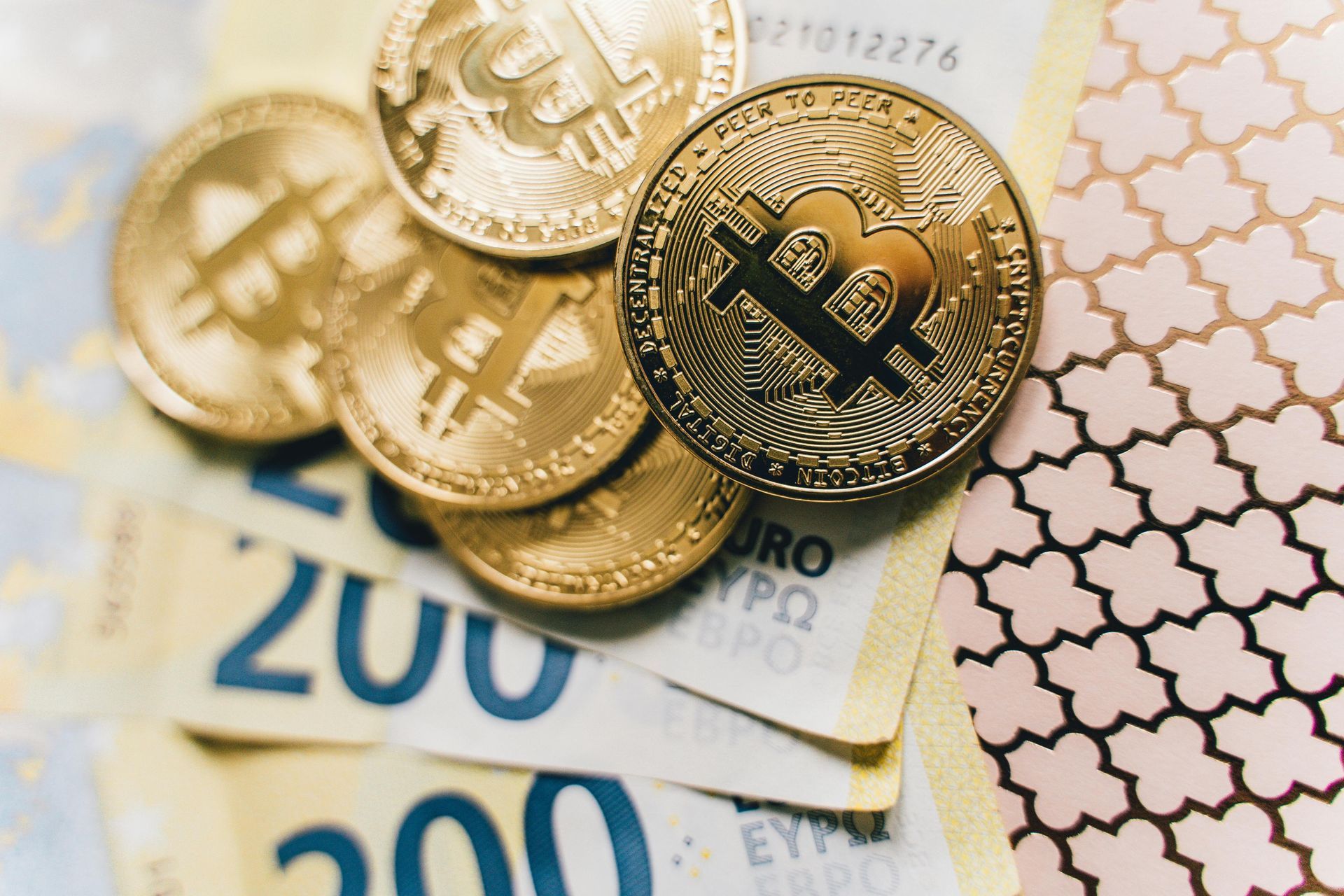
A Autoridade Tributária (AT) clarificou, por via de informação vinculativa, que a tributação em IRS das mais-valias em criptoativos ocorre apenas no momento em que há conversão final para moeda fiduciária (euros). A conversão intermédia para stablecoin — quando meramente instrumental para chegar a euros — não desencadeia tributação imediata . Esta leitura foi divulgada na imprensa especializada e assenta numa informação vinculativa disponibilizada pela AT. Paralelamente, num parecer doutrinário com despacho de 31-10-2025 (proc. 28298) , a AT enquadrou rendimentos obtidos em trading de futuros com criptoativos como mais-valias de instrumentos financeiros derivados (art. 10.º, n.º 1, al. e) CIRS) , concluindo que o momento de tributação ocorre apenas na conversão para euros — ainda que haja registos internos ou conversões prévias em BTC/ETH/BNB. O parecer também explicita como declarar estes rendimentos no Modelo 3 (Anexo G – código G51 para rendimentos de entidades residentes; Anexo J – código G30 para rendimentos obtidos no estrangeiro). Importa recordar que a alienação de criptoativos detidos há mais de um ano está excluída de tributação. Se a cadeia for cripto → stablecoin (técnica) → EUR após 365+ dias desde a aquisição do ativo original , a mais-valia pode ficar excluída . Em cadeias complexas (ou em qualquer outra circunstância, recomendamos nós) a prova documental (extratos, tx-ids) é crucial.
This is a subtitle for your new post